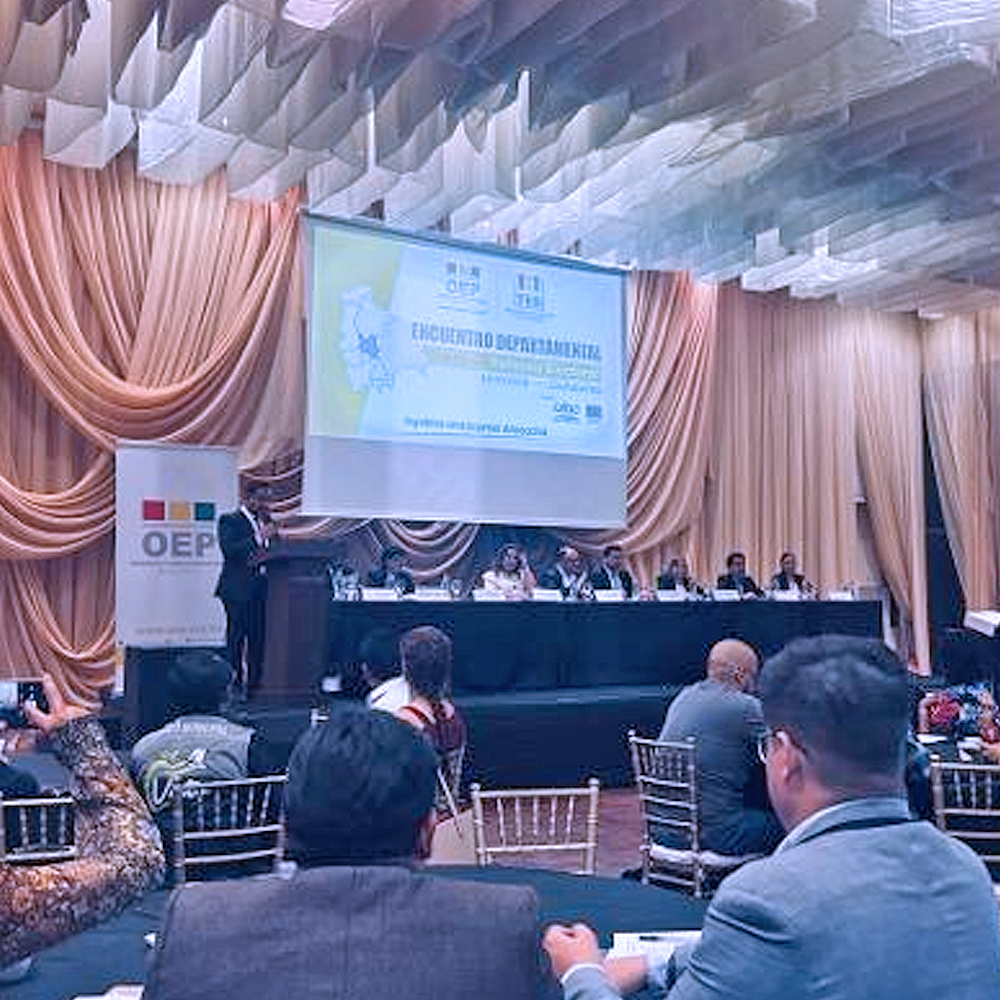
Last week, as part of our project in Bolivia, funded by the European Union, we supported the sixth Departmental Meeting On the Road to Electoral Reform in Cochabamba. Led by the Supreme Electoral Tribunal (TSE), the initiative seeks to promote a broad, participatory process of analysis, dialogue, and proposal development to update electoral legislation, improve the organization and conduct of electoral processes, and strengthen democracy in Bolivia.
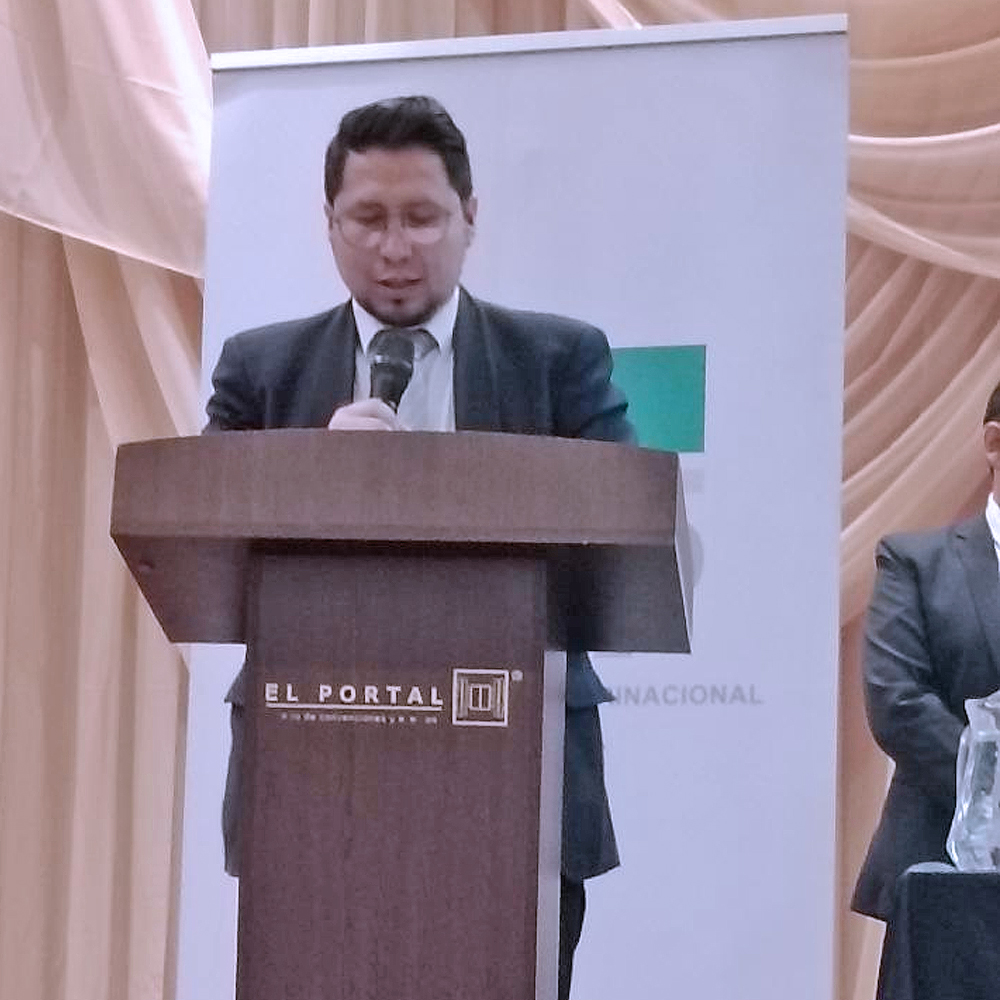
The opening and closing sessions featured contributions from the President of the Supreme Electoral Tribunal, Gustavo Ávila Mercado; Vice-President Ximena Camacho Goyzueta; Electoral Tribunal Member Silvia Chávez Reyes; and the President of the Cochabamba Departmental Electoral Tribunal, Daniel Quinteros Meneses. The electoral authorities emphasized the importance of developing a legislative reform proposal grounded in broad citizen participation and reflecting the experiences, needs, and demands of Bolivia’s different departments and sectors of society.
They also indicated that proposals emerging from the departmental meetings would be published through the official channels of the Plurinational Electoral Body (OEP) and subsequently systematized to incorporate these contributions into a comprehensive electoral reform proposal based on the findings of the ongoing nationwide consultation process.
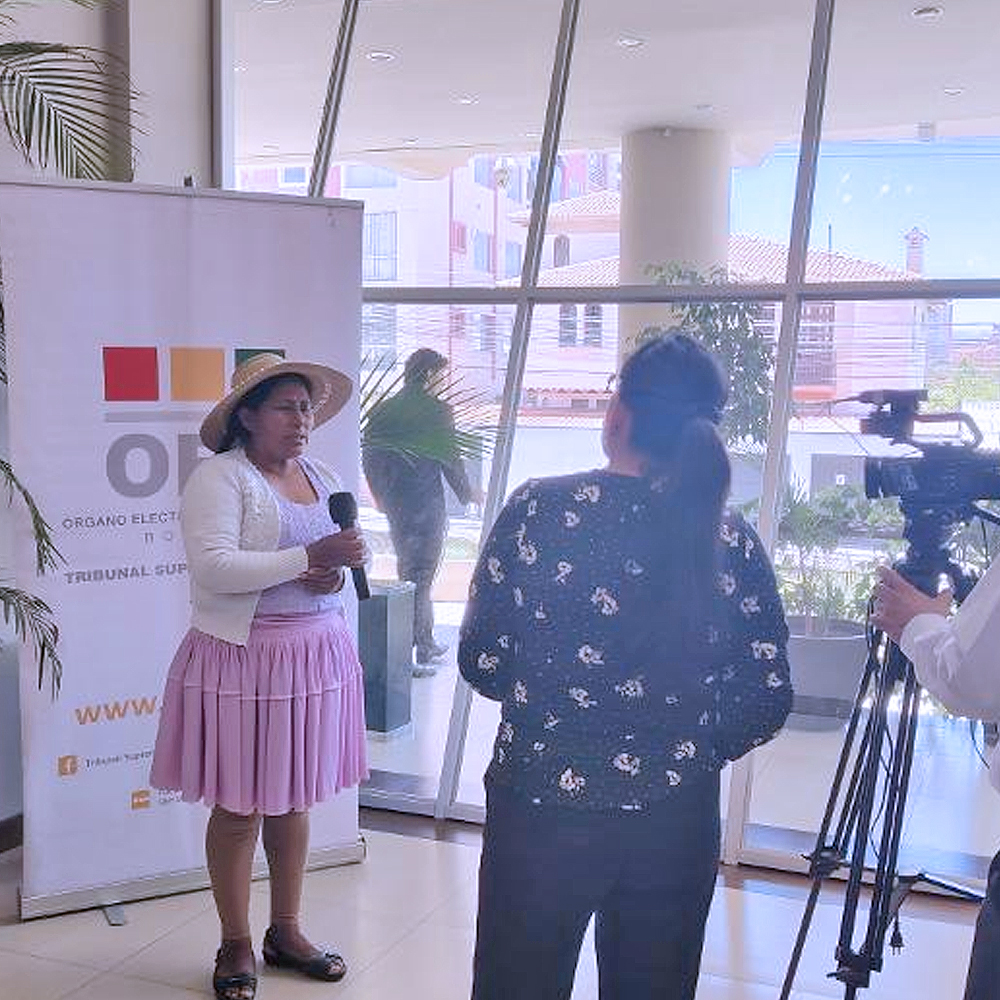
The meeting brought together representatives of various public institutions, the municipal governments of Cercado, Quillacollo and Colcapirhua, the Parliamentary Brigade, political parties and citizens’ associations, media outlets, the Bar Association, academic institutions, social organizations, women’s and youth organizations, and other civil society stakeholders.
Our Project Coordinator, Luis Castellar Maymó, and Gender and Violence against Women in Politics Expert, Katia Uriona, accompanied the day of deliberation and collective development of proposals.
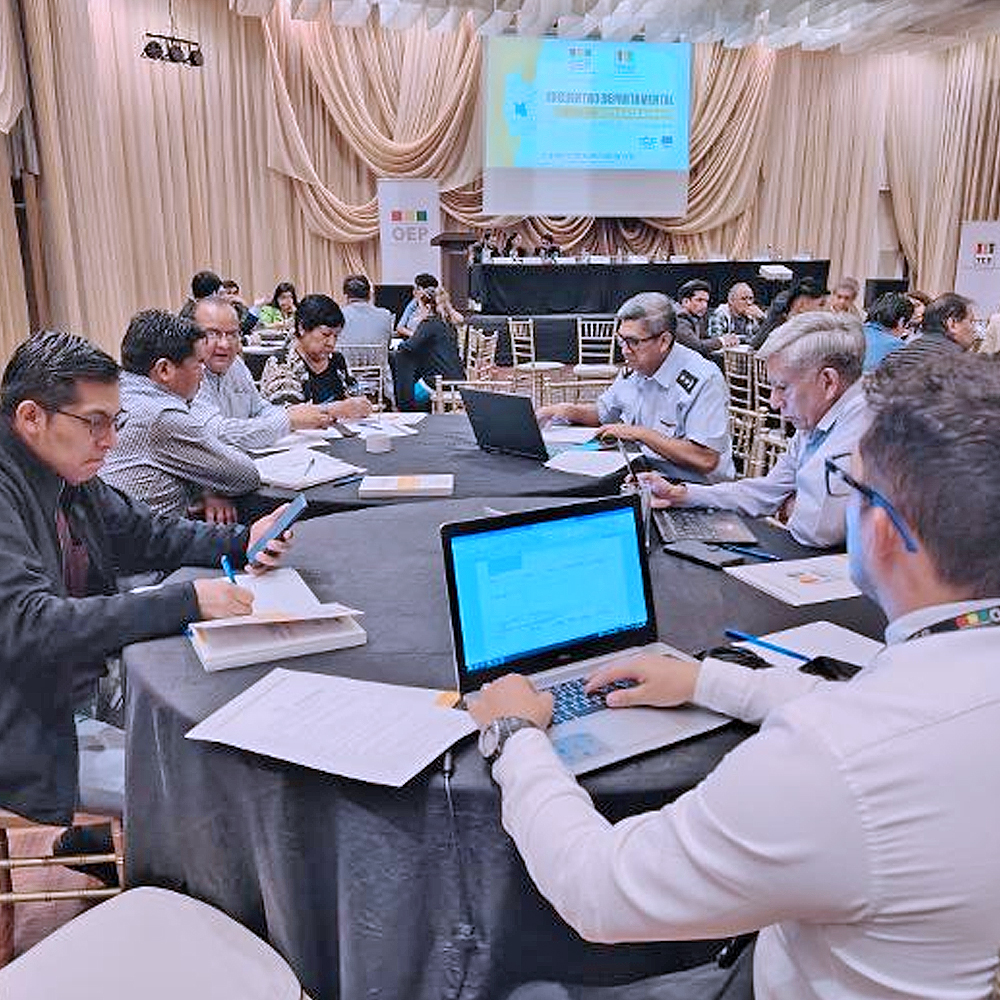
Through thematic working groups, participants drew on their diverse experiences, perspectives and areas of representation to assess the main achievements, difficulties and challenges facing Bolivia’s electoral system. This exercise identified provisions of the existing legal framework requiring amendments and formulated consensus-based proposals, which were presented during the concluding plenary session.
Discussions focused on the three main pieces of legislation governing Bolivia’s electoral system:
Law No. 018 on the Plurinational Electoral Body
Law No. 026 on the Electoral Regime
Law No. 1096 on Political Organisations
The working methodology encouraged the exchange of diverse perspectives and the identification of proposals to improve the functioning of electoral institutions, strengthen political participation, and promote greater transparency, inclusion and legitimacy in democratic processes.
With the completion of this sixth departmental meeting, the “On the Road to Electoral Reform” initiative continues to advance toward the development of a reform agenda that, through dialogue and inclusive participation, seeks to strengthen electoral institutions and consolidate a more inclusive, participatory and representative democracy in Bolivia.
21 October 2026